Start
Galerie
English
Українсько
Nederlands
Deutsch
Gallery - DE
Kunst verbindet Menschen: Antwerpen und Ukraine
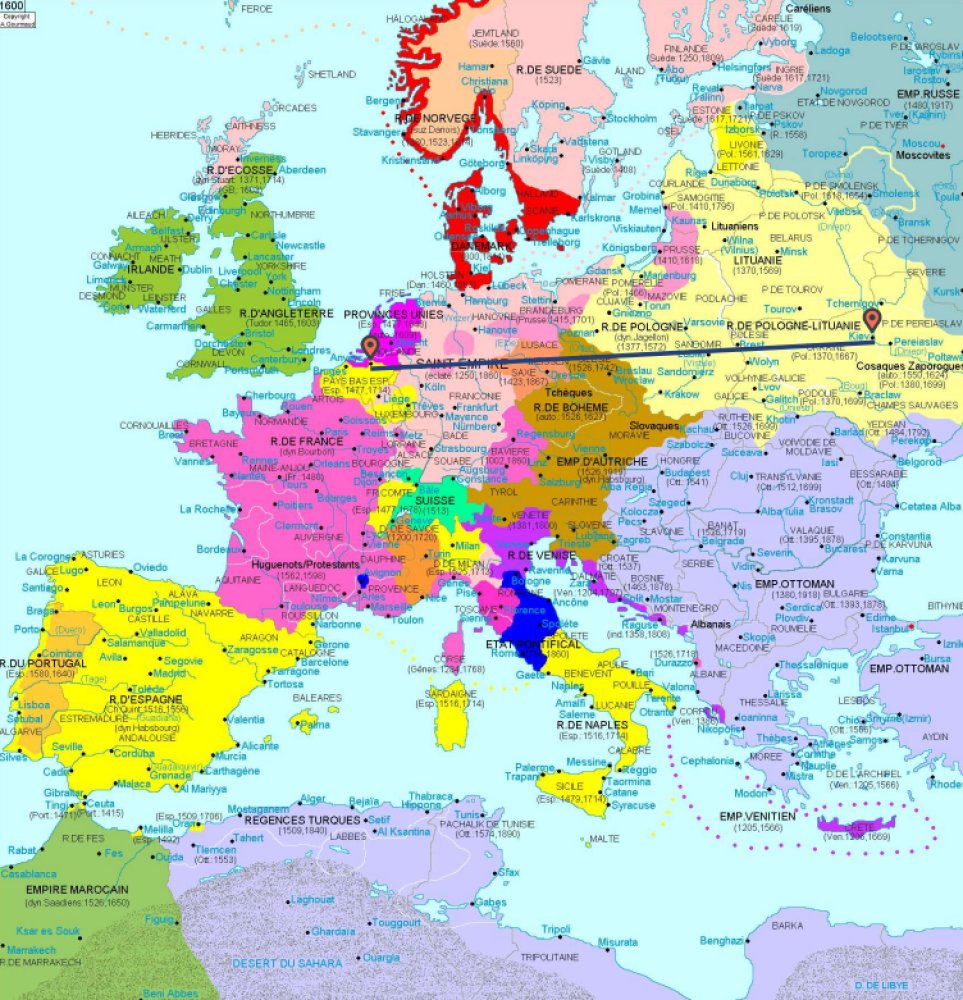
{"id":24,"form_id":2,"category":"category-1","name":"karteeuropaantwerpenkiew-2.jpg","path":"images\/bagallery\/original\/karteeuropaantwerpenkiew-2.jpg","url":"https:\/\/bridges.polyuni-frankfurt.de\/images\/bagallery\/original\/karteeuropaantwerpenkiew-2.jpg","thumbnail_url":"\/images\/bagallery\/gallery-2\/thumbnail\/category-1\/karteeuropaantwerpenkiew-2.jpg","title":"Kunst verbindet Menschen: Antwerpen und Ukraine","short":"","alt":"","description":"<h1 style=\"margin-bottom: 11px;\">Kunst verbindet Menschen: Antwerpen und Ukraine<\/h1>\n\n<hr \/>\n<p>Der Titel unserer Ausstellung, <em>Art Connecting People<\/em>, ist eine spielerische Anspielung auf den berühmten Werbeslogan von Nokia. Doch im Unterschied zu Handys schafft Kunst Verbindungen, die emotional, spirituell und von bleibender Dauer sind. Im 17. und 18. Jahrhundert wurde religiöse Kunst zu einer Art visuellem Esperanto – einer universellen (Bild-)Sprache, die über Kontinente hinweg verstanden wurde. Im Mittelpunkt standen dabei Druckgrafiken, die sich durch ihre Vervielfältigbarkeit, Transportfähigkeit und visuelle Kraft auszeichneten. Diese Ausstellung erkundet, wie in Antwerpen gedruckte Bilder ihren Weg in die Ukraine, nach China und Lateinamerika fanden – und wie sie in jenen fernen Ländern interpretiert, kopiert und verändert wurden.<\/p>\n\n<p>Das ist keine Geschichte europäischer Dominanz. Es ist eine Geschichte des kreativen Dialogs, der Neuinterpretation und des Synkretismus. Künstler aus weit auseinanderliegenden Orten wie Kyjiw und Cusco haben diese Bilder durch die Brille ihrer eigenen Traditionen und Glaubenswelten neu interpretiert: Was in Antwerpen noch einen Propheten darstellte, wurde in der Ukraine zu einem Apostel. Auch die stark von byzantinischen Traditionen geprägte Darstellung der Jungfrau Maria, der Schutzpatronin des römischen Volkes, nahm mit der Zeit dezidiert chinesische Gestaltungselemente auf. Dieselben Linien, unterschiedliche Bedeutungen.<\/p>\n\n<p>Diese Anpassungen zeigen nicht nur die jeweiligen Einflüsse, sondern sind zugleich Ausdruck von Kreativität. Das ist <strong>Kunst als Übersetzungsleistung<\/strong> – vom Original inspiriert, aber niemals mit diesem identisch.<br \/>\n <\/p>\n\n<p> <\/p>\n\n<h2>Karte Europas aus dem frühen 17. Jahrhundert.<\/h2>\n\n<p>Quelle: Wikimedia Commons<\/p>\n\n<p> <\/p>\n","link":"","video":"","settings":null,"likes":0,"imageId":"3","target":"blank","lightboxUrl":"early-17th-century-map-of-europe-2","watermark_name":"3.jpg","hideInAll":0,"suffix":"round "}
Die Entstehung einer globalen Bildkultur
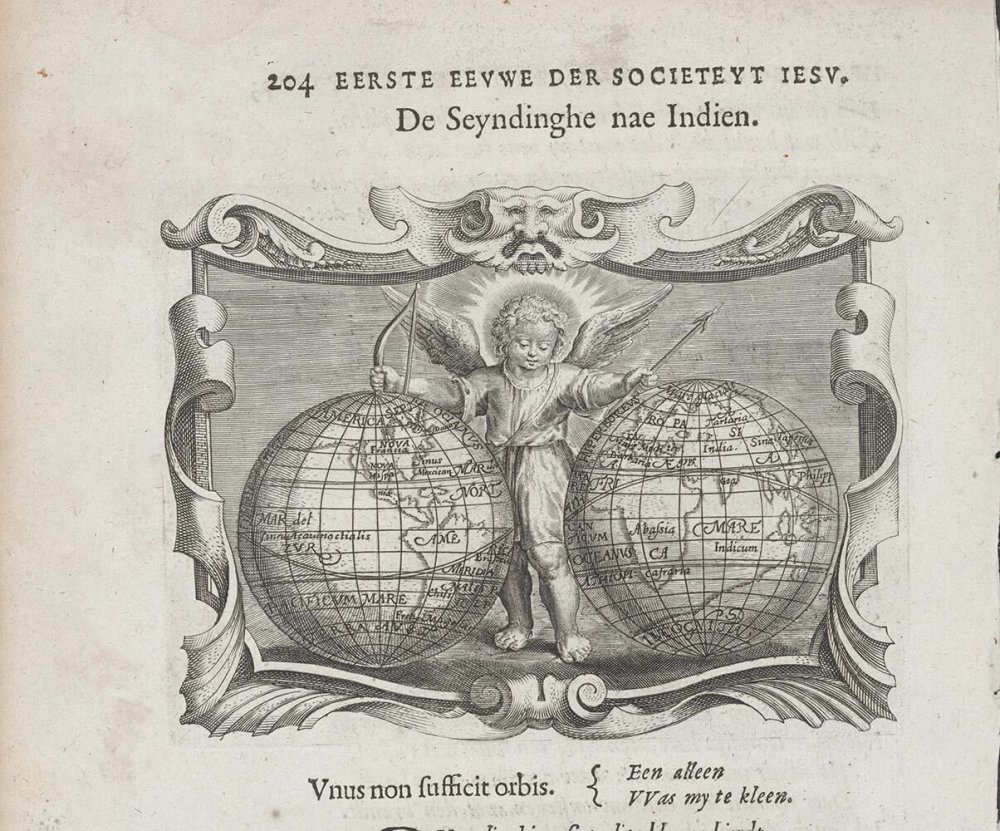
{"id":23,"form_id":2,"category":"category-1","name":"4.jpg","path":"images\/bridges\/4.jpg","url":"https:\/\/bridges.polyuni-frankfurt.de\/images\/bridges\/4.jpg","thumbnail_url":"\/images\/bagallery\/gallery-2\/thumbnail\/category-1\/4.jpg","title":"Die Entstehung einer globalen Bildkultur","short":"","alt":"","description":"<h1>Die Entstehung einer globalen Bildkultur<\/h1>\n\n<hr \/>\n<p>Kinder in Kyjiw, Antwerpen, Frankfurt und Rio kennen heute alle dieselben Heldinnen und Helden der Popkultur – Superman, Pokémon, Wonder Woman und so weiter. Diese Bilder und Ikonen sind Teil einer <strong>globalen Bildsprache<\/strong> geworden.<\/p>\n\n<h2><br \/>\nDie Mission nach Indien (De Seyndinghe nae Indien)<\/h2>\n\n<p>Cornelis Galle der Ältere<\/p>\n\n<p>Kupferstich, 1640<\/p>\n\n<p>23 × 18,7 cm<\/p>\n\n<p>Antwerpen – The Glen McLaughlin Map Collection of California as an Island, Stanford University Libraries<\/p>\n\n<p style=\"margin-bottom: 11px;\"><span style=\"font-size:12pt\"><span style=\"line-height:115%\"><span style=\"font-family:Aptos,sans-serif\"><\/span><\/span><\/span><\/p>\n\n<p style=\"margin-bottom: 11px;\"><span style=\"font-size:12pt\"><span style=\"line-height:115%\"><span style=\"font-family:Aptos,sans-serif\"><\/span><\/span><\/span><\/p>\n\n<p style=\"margin-bottom:11px\"><span style=\"font-size:12pt\"><span style=\"line-height:115%\"><span style=\"font-family:Aptos,sans-serif\"><\/span><\/span><\/span><\/p>\n","link":"","video":"","settings":null,"likes":0,"imageId":"2","target":"blank","lightboxUrl":"antwerp-a-creative-hub-that-reached-the-world-2","watermark_name":"6.jpg","hideInAll":0,"suffix":"round "}
Zurück in die Vergangenheit
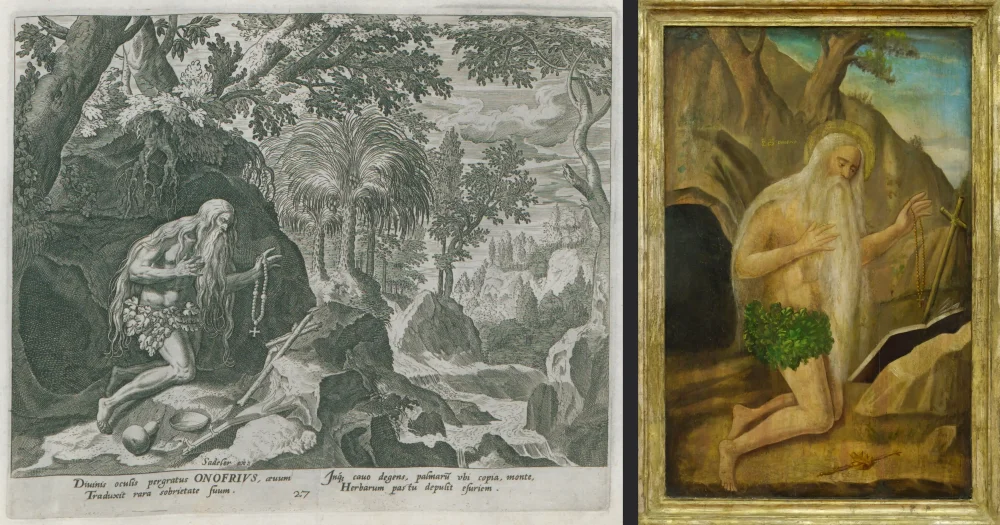
{"id":25,"form_id":2,"category":"category-1","name":"5.webp","path":"images\/bagallery\/original\/5.webp","url":"https:\/\/bridges.polyuni-frankfurt.de\/images\/bagallery\/original\/5.webp","thumbnail_url":"\/images\/bagallery\/gallery-2\/thumbnail\/category-1\/5.webp","title":"Zur\u00fcck in die Vergangenheit","short":"","alt":"","description":"<h1>Zurück in die Vergangenheit<\/h1>\n\n<hr \/>\n<p>Lange vor Marvel und Nintendo gab es eine andere Art von Heldengestalten: die Heiligen. Figuren wie der nur mit Blättern bekleidete und in der Wüste lebende Heilige Onophrios faszinierten Gläubige über Kontinente hinweg. Genauso wie Comics heutzutage ihre Leserinnen und Leser rund um den Globus erreichen, verbreiteten religiöse Drucke spirituelle Geschichten quer durch das frühneuzeitliche Europa, Asien, Afrika und Amerika.<\/p>\n\n<p>Bücher und Druckgrafiken waren die Leitmedien ihrer Zeit. Und Antwerpen, eine der wohlhabendsten Hafenstädte Europas, war ihr Silicon Valley.<\/p>\n\n<p> <\/p>\n\n<h2>1. Der Heilige Onophrios<\/h2>\n\n<p>Johann Sadeler der Ältere, Raphael Sadeler der Ältere, nach Maerten de Vos<\/p>\n\n<p>Kupferstich, 1600<\/p>\n\n<p>18 × 21,5 cm<\/p>\n\n<p>Antwerpen – Museum Plantin-Moretus (Printroom collection), UNESCO World Heritage, Antwerpen<\/p>\n\n<p> <\/p>\n\n<h2>2. Der Heilige Onophrios<\/h2>\n\n<p>Unbekannter Künstler<\/p>\n\n<p>Ikone, Tempera auf Holz, Mitte 18. Jahrhundert<\/p>\n\n<p>107 × 74 cm<\/p>\n\n<p>Westukraine – Stadtmuseum „Geistliche Schätze der Ukraine“, Kyjiw<\/p>\n","link":"","video":"","settings":null,"likes":0,"imageId":"4","target":"blank","lightboxUrl":"onofrius-engraving-1585-86-saint-onuphrius-icon-tempera-on-wood-mid-18th-century-2","watermark_name":"5.jpg","hideInAll":0,"suffix":"round "}
Antwerpen: Eine Drehscheibe für kreative Ideen, die um die Welt gehen
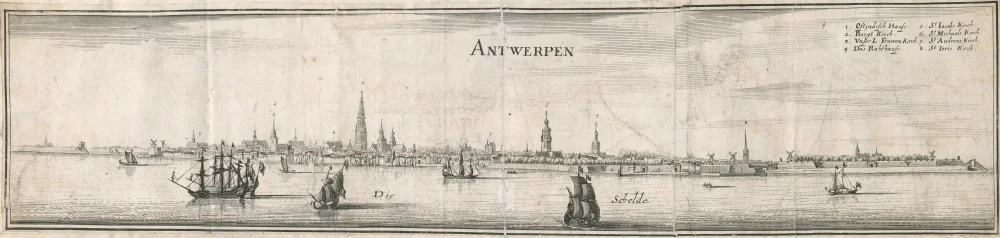
{"id":26,"form_id":2,"category":"category-1","name":"6.webp","path":"images\/bagallery\/original\/6.webp","url":"https:\/\/bridges.polyuni-frankfurt.de\/images\/bagallery\/original\/6.webp","thumbnail_url":"\/images\/bagallery\/gallery-2\/thumbnail\/category-1\/6.webp","title":"Antwerpen: Eine Drehscheibe f\u00fcr kreative Ideen, die um die Welt gehen","short":"","alt":"","description":"<h1>Antwerpen: Eine Drehscheibe für kreative Ideen, die um die Welt gehen<\/h1>\n\n<hr \/>\n<p>Im 16. und frühen 17. Jahrhundert war Antwerpen eine der geschäftigsten und wohlhabendsten Hafenstädte Europas. Es entwickelte sich zu einem pulsierenden Zentrum für Künstler und Drucker, die religiöse Bücher und Bilder herstellten – insbesondere für jene, die mit den Jesuiten zusammenarbeiteten. Diese Druckerzeugnisse blieben nicht lange in Antwerpen: Sie gelangten über die Ozeane nach Lateinamerika, China, Afrika … und in die Ukraine.<\/p>\n\n<p> <\/p>\n\n<h2>Ansicht von Antwerpen<\/h2>\n\n<p>Caspar Merian<\/p>\n\n<p>Radierung, 1651<\/p>\n\n<p>15,5 × 27 cm<\/p>\n\n<p>Frankfurt am Main – Museum Plantin-Moretus (Printroom collection), UNESCO World Heritage, Antwerpen<\/p>\n","link":"","video":"","settings":null,"likes":0,"imageId":"5","target":"blank","lightboxUrl":"view-of-antwerp-2","watermark_name":"490490503-6.jpg","hideInAll":0,"suffix":"round "}
Wie Druckerzeugnisse aus Antwerpen in die Ukraine gelangten – und in die Welt
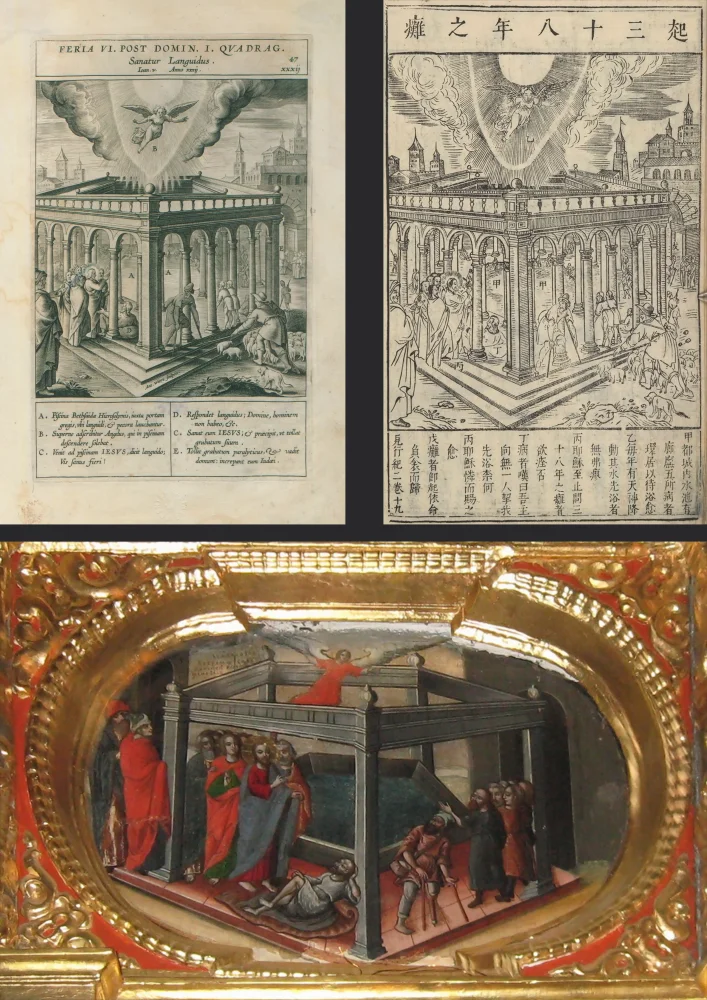
{"id":27,"form_id":2,"category":"category-1","name":"7.webp","path":"images\/bagallery\/original\/7.webp","url":"https:\/\/bridges.polyuni-frankfurt.de\/images\/bagallery\/original\/7.webp","thumbnail_url":"\/images\/bagallery\/gallery-2\/thumbnail\/category-1\/7.webp","title":"Wie Druckerzeugnisse aus Antwerpen in die Ukraine gelangten \u2013 und in die Welt","short":"","alt":"","description":"<h1>Wie Druckerzeugnisse aus Antwerpen in die Ukraine gelangten – und in die Welt<\/h1>\n\n<hr \/>\n<p>Im Jahr 1593 veröffentlichte der Jesuitenpater Jerónimo Nadal (1507-1580) die <em>Evangelicae Historiae Imagines<\/em> – ein für die Missionsarbeit konzipiertes visuelles Evangelium. Es avancierte zu einem <strong>visuellen Bestseller<\/strong> und wurde in den 1630er Jahren für den chinesischen Holzschnitt adaptiert, auf lateinamerikanische Leinwände übertragen sowie von ukrainischen Künstlern wie Ivan Rutkovych (um 1650 – Anfang des 18. Jahrhunderts) weiterentwickelt.<\/p>\n\n<p>Diese Bilder wurden nicht einfach kopiert, sondern neu interpretiert. In der Ukraine dürften Ikonenmaler sie als Vorlage zur Gestaltung von Ikonen für Ikonostasen herangezogen haben – jenem charakteristischen Element der ostchristlichen Tradition, das in katholischen Kirchen keine Entsprechung findet. In China wurden nackte Figuren durch solche mit bescheidenen Gewändern ersetzt, und lateinische Inschriften verwandelten sich in chinesische Kalligraphie.<\/p>\n\n<p>Durch diese Anpassungen schlugen die Bilder in unterschiedlichen spirituellen Zusammenhängen Wurzeln.<\/p>\n\n<p> <\/p>\n\n<h2>1. Die Heilung des Gelähmten von Bethesda<\/h2>\n\n<p>Antonie Wierix<\/p>\n\n<p>Kupferstich, 1572–1624<\/p>\n\n<p>23 × 14,4 cm<\/p>\n\n<p>Antwerpen – Museum Plantin-Moretus (Printroom collection), UNESCO World Heritage, Antwerpen<\/p>\n\n<p> <\/p>\n\n<h2>2. Die Heilung des Gelähmten von Bethesda<\/h2>\n\n<p>Unbekannter chinesischer Künstler<\/p>\n\n<p>Holzschnitt aus Tianzhu Jiangsheng Chuxiang Jingjie (Illustrierte Erläuterungen zur Inkarnation des Herrn des Himmels), 1637<\/p>\n\n<p>Jinjiang, Quanzhou (Wikimedia Commons)<\/p>\n\n<p> <\/p>\n\n<h2>3. Die Heilung des Gelähmten von Bethesda<\/h2>\n\n<p>Iwan Rutkovych<\/p>\n\n<p>Ikone, Tempera auf Holz, mit Vergoldung, spätes 17. Jahrhundert<\/p>\n\n<p>Krekhiv, Westukraine<\/p>\n\n<p>Aus der Ikonostase der Kirche St. Paraskeva – icon.org.ua.<\/p>\n","link":"","video":"","settings":null,"likes":0,"imageId":"6","target":"blank","lightboxUrl":"healing-the-paralytic-at-bethesda-2","watermark_name":"7.jpg","hideInAll":0,"suffix":"round "}
Ein Bild, viele Geschichten
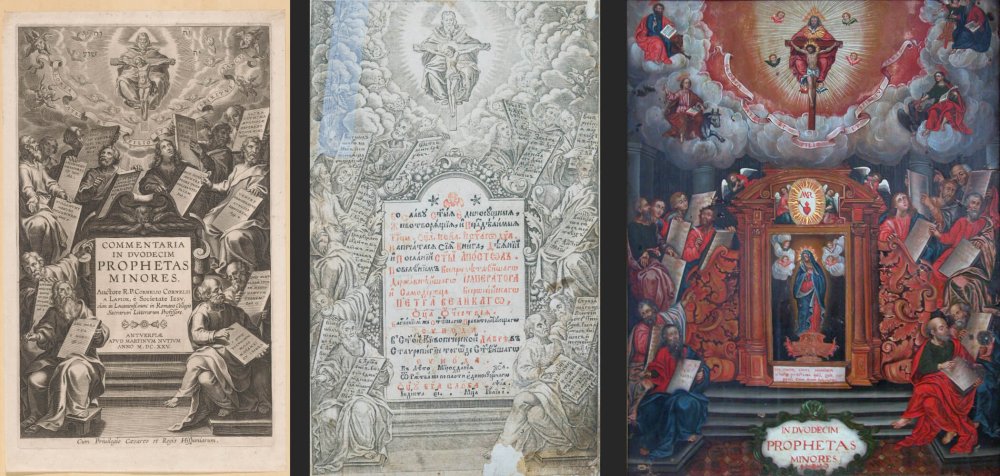
{"id":28,"form_id":2,"category":"category-1","name":"8.jpg","path":"images\/bridges\/8.jpg","url":"https:\/\/bridges.polyuni-frankfurt.de\/images\/bridges\/8.jpg","thumbnail_url":"\/images\/bagallery\/gallery-2\/thumbnail\/category-1\/8.jpg","title":"Ein Bild, viele Geschichten","short":"","alt":"","description":"<h1>Ein Bild, viele Geschichten<\/h1>\n\n<hr \/>\n<p>Dieses eindrucksvolle Titelblatt wurde in Antwerpen von Cornelis Galle der Ältere (1576-1650) geschaffen und zeigt zwölf Propheten mit Botschaften über das Kommen Jesu. Doch das ist noch nicht das Ende der Geschichte, denn Künstler aus aller Welt hauchten ihm neues Leben ein. In Kyjiw machte Averkiy Kozachkovskyi (tätig ca. 1721–1740er Jahre) aus den Propheten zwölf Apostel, indem er ihre Botschaften durch den je einem Apostel zugeschriebenen Abschnitt des Glaubensbekenntnisses ersetzte. Unterdessen fügte ein unbekannter Künstler in Lateinamerika kräftige Farben hinzu, übertrug das Bild auf Leinwand und platzierte die Jungfrau Maria in der Bildmitte, wodurch der Fokus von Jesus auf seine Mutter verlagert wurde. Ein Bild, viele Geschichten.<\/p>\n\n<p> <\/p>\n\n<h2>1. Titelseite des <em>Commentaria in duodecim prophetas minores<\/em><\/h2>\n\n<p>Cornelis Galle der Ältere, möglicherweise nach einem Entwurf von Peter Paul Rubens<\/p>\n\n<p>Kupferstich, 1625<\/p>\n\n<p>32,5 × 19,6 cm<\/p>\n\n<p>Antwerpen – Rijksmuseum, Amsterdam<\/p>\n\n<p> <\/p>\n\n<h2>2. Titelseite der Apostelgeschichte<\/h2>\n\n<p>Averkiy Kozachkovskyi<\/p>\n\n<p>Kupferstich, 1722<\/p>\n\n<p>27,5 × 16,5 cm<\/p>\n\n<p>Kyjiw – Stadtmuseum „Geistliche Schätze der Ukraine“, Kyjiw<\/p>\n\n<p> <\/p>\n\n<h2>3. Die zwölf kleinen Propheten verherrlichen die Dreifaltigkeit<\/h2>\n\n<p>Unbekannter andiner Künstler<\/p>\n\n<p>Öl auf Leinwand, 18. Jahrhundert<\/p>\n\n<p>Sucre, Chuquisaca – Museo Colonial Charcas, colonialart.org)<\/p>\n<paverkiy kozachkovskyi=\"\"> <\/paverkiy>","link":"","video":"","settings":null,"likes":0,"imageId":"7","target":"blank","lightboxUrl":"one-image-many-stories-2","watermark_name":"8.jpg","hideInAll":0,"suffix":"round "}
Von Byzanz nach Kyjiw: eine sich wandelnde Bildtradition
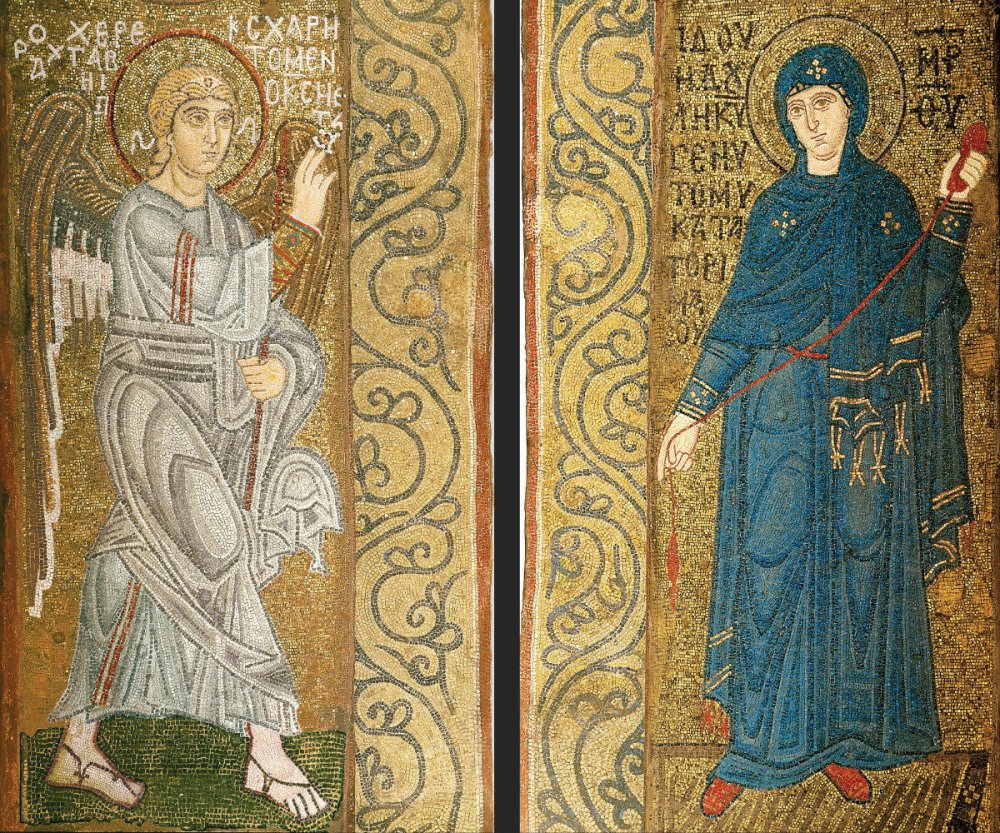
{"id":29,"form_id":2,"category":"category-1","name":"9.jpg","path":"images\/bridges\/9.jpg","url":"https:\/\/bridges.polyuni-frankfurt.de\/images\/bridges\/9.jpg","thumbnail_url":"\/images\/bagallery\/gallery-2\/thumbnail\/category-1\/9.jpg","title":" Von Byzanz nach Kyjiw: eine sich wandelnde Bildtradition","short":"","alt":"","description":"<p style=\"text-align:justify; margin-bottom:11px\"><span style=\"font-size:12pt\"><span style=\"line-height:116%\"><span style=\"font-family:Aptos,sans-serif\"><\/span><\/span><\/span><\/p>\n\n<h1>Von Byzanz nach Kyjiw: eine sich wandelnde Bildtradition<\/h1>\n\n<hr \/>\n<p>Die christlichen Wurzeln der Ukraine liegen in Byzanz, nicht in Rom. Die östlich-orthodoxe Tradition prägte die religiöse Kunst der Ukraine nachhaltig und bevorzugte flache, frontale und symbolische Darstellungen. Dieses Erbe ist noch heute in den Mosaiken der Kyjiwer Sophienkathedrale aus dem 11. Jahrhundert zu sehen.<\/p>\n\n<p> <\/p>\n\n<h2>Die Verkündung<\/h2>\n\n<p>Unbekannter Künstler<\/p>\n\n<p>Mosaik, 11. Jahrhundert<\/p>\n\n<p>Jungfrau Maria (2,23 m) und Erzengel Gabriel (2,3 m), nordöstlicher und südöstlicher Pfeiler unterhalb der Kuppel<\/p>\n\n<p>Sophienkathedrale, Kyjiw (Wikimedia Commons)<\/p>\n","link":"","video":"","settings":null,"likes":0,"imageId":"8","target":"blank","lightboxUrl":"from-byzantium-to-kyiv-a-shifting-visual-tradition-2","watermark_name":"9.jpg","hideInAll":0,"suffix":"round "}
Die Verkündung
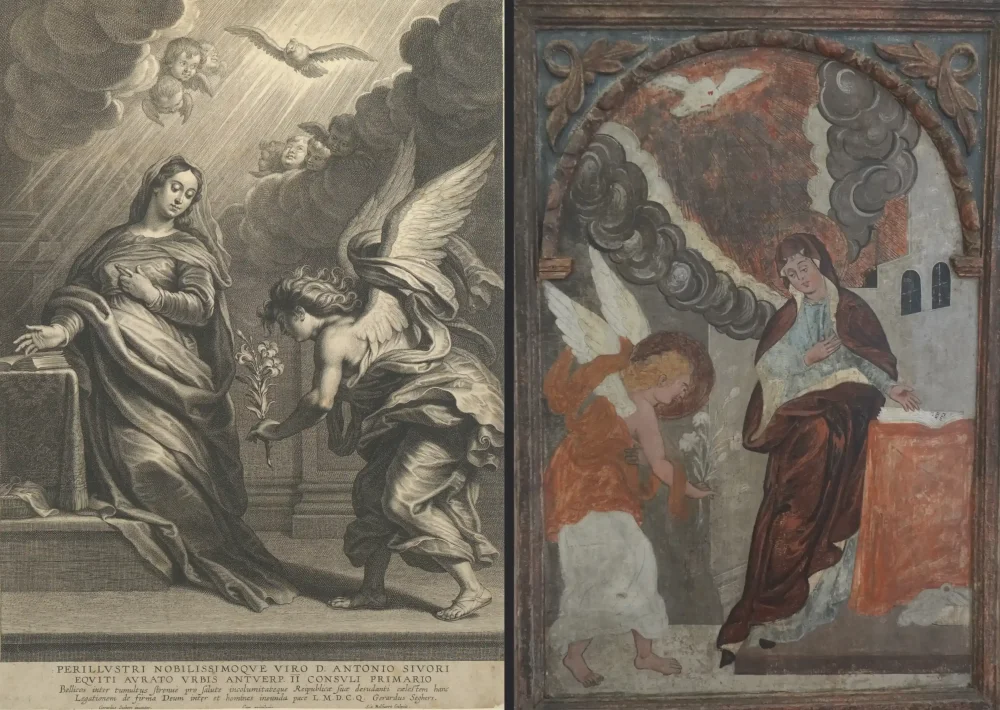
{"id":30,"form_id":2,"category":"category-1","name":"10.webp","path":"images\/bagallery\/original\/10.webp","url":"https:\/\/bridges.polyuni-frankfurt.de\/images\/bagallery\/original\/10.webp","thumbnail_url":"\/images\/bagallery\/gallery-2\/thumbnail\/category-1\/10.webp","title":"Die Verk\u00fcndung","short":"","alt":"","description":"<h1>Die Verkündung<\/h1>\n\n<hr \/>\n<p>Nachdem westliche Einflüsse zuvor nur am Rande eine Rolle spielten, fanden sie ab dem 16. Jahrhundert vor allem durch flämische und deutsche Kupferstiche in die ukrainische Kulturlandschaft Einzug, wo sie die lokalen künstlerischen Traditionen nachhaltig prägten. Bis zum späten 17. Jahrhundert hatte sich bei vielen ukrainische Ikonen ein Wandel von der Formstrenge der byzantinischen Bildsprache zur dynamischen <strong>Bewegung, Tiefe und Ausdruckskraft<\/strong> westlicher religiöser Kunst vollzogen.<\/p>\n\n<p>Eine ukrainische Ikone der Verkündung konnte nun den Erzengel Gabriel in höfischer Ehrerbietung verbeugt und mit einer Lilie in der Hand darstellen – ein Motiv, das direkt aus einem Druck des Antwerpener Kupferstechers Schelte Bolswert (ca. 1586–1659) übernommen wurde.<\/p>\n\n<p>Dennoch ahmten ukrainische Künstler westliche Kunst nicht einfach nur nach. Sie hielten auch an wesentlichen Elementen ihrer eigenen Tradition fest, wie etwa den charakteristischen Gewändern der Jungfrau Maria – und bewahrten auf diese Weise Identität inmitten der Veränderung.<\/p>\n\n<p> <\/p>\n\n<h2>1. Die Verkündigung<\/h2>\n\n<p>Schelte Adamsz. Bolswert nach Gerard Seghers<\/p>\n\n<p>Kupferstich, frühes 17. Jahrhundert<\/p>\n\n<p>38,5 × 27,1 cm<\/p>\n\n<p>Flämische Schule – Museum Plantin-Moretus (Printroom collection), UNESCO World Heritage, Antwerpen<\/p>\n\n<p> <\/p>\n\n<h2>2. Die Verkündigung<\/h2>\n\n<p>Unbekannter Künstler<\/p>\n\n<p>Ikone, Tempera auf Holz, spätes 17. – frühes 18. Jahrhundert<\/p>\n\n<p>121,3 × 86,5 cm<\/p>\n\n<p>Westukraine – Stadtmuseum „Geistliche Schätze der Ukraine“, Kyjiw<\/p>\n","link":"","video":"","settings":null,"likes":0,"imageId":"9","target":"blank","lightboxUrl":"the-annunciation-2","watermark_name":"10.jpg","hideInAll":0,"suffix":"round "}
Östliche Einflüsse aus dem Westen
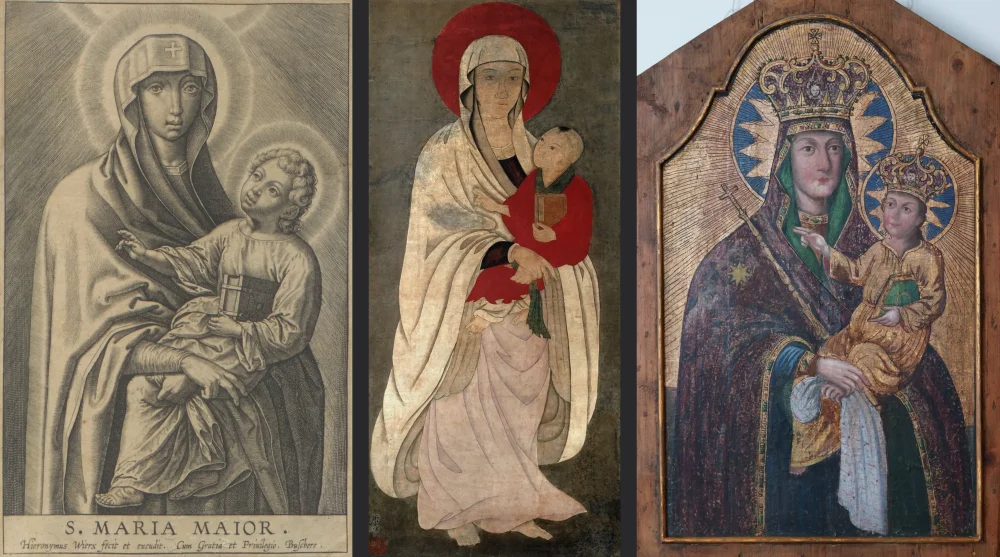
{"id":31,"form_id":2,"category":"category-1","name":"11.webp","path":"images\/bagallery\/original\/11.webp","url":"https:\/\/bridges.polyuni-frankfurt.de\/images\/bagallery\/original\/11.webp","thumbnail_url":"\/images\/bagallery\/gallery-2\/thumbnail\/category-1\/11.webp","title":"\u00d6stliche Einfl\u00fcsse aus dem Westen","short":"","alt":"","description":"<h1>Östliche Einflüsse aus dem Westen<\/h1>\n\n<hr \/>\n<p>Ukrainische Künstler ließen sich nicht nur von westlicher Kunst, sondern auch von östlichen Bildvorlagen inspirieren, die über westliche Drucke verbreitetet wurden. Ein klassisches Beispiel ist die als Salus Populi Romani bekannte Ikone der Jungfrau Maria – ein in Rom verehrtes Bildnis mit byzantinischen Wurzeln. 1569 gaben die Jesuiten beim flämischen Künstler Hieronymus Wierix (1553-1619) einen Kupferstich des Bildes in Auftrag, der sich rasch und weiträumig verbreitete – von Litauen bis nach China. Auch ukrainische Künstler, sowohl orthodoxe als auch griechisch-katholische, machten sich dieses Bild zu eigen. Wie auf den Bildern zu sehen ist, fügten sowohl Künstler aus der Ukraine als auch aus China den Bildern ihre eigene, kulturspezifische Note hinzu, indem sie Maria und ihren Gesichtszügen ein lokaltypisches Erscheinungsbild verliehen.<\/p>\n\n<p> <\/p>\n\n<h2>1. Maria mit dem Christuskind (<em>Salus Populi Romani<\/em>)<\/h2>\n\n<p>Hieronymus Wierix<\/p>\n\n<p>Kupferstich, 1563 – vor 1600<\/p>\n\n<p>13,7 × 8,8 cm<\/p>\n\n<p>Antwerpen – Museum Plantin-Moretus (Printroom collection), UNESCO World Heritage, Antwerpen<\/p>\n\n<h2><br \/>\n2. Christliche Madonna mit Kind<\/h2>\n\n<p>Unbekannter Künstler<\/p>\n\n<p>Tinte auf Seide, Ming-Dynastie<\/p>\n\n<p>120 × 55 cm<\/p>\n\n<p>China – Field Museum of Natural History, Chicago<\/p>\n\n<h2><br \/>\n3. Maria mit dem Christuskind<\/h2>\n\n<p>Unbekannter Künstler<\/p>\n\n<p>Ikone, Tempera auf Holz, 18. Jahrhundert<\/p>\n\n<p>111,2 × 61,4 cm<\/p>\n\n<p>Westukraine – Stadtmuseum „Spirituelle Schätze der Ukraine“, Kyjiw<\/p>\n","link":"","video":"","settings":null,"likes":0,"imageId":"10","target":"blank","lightboxUrl":"eastern-influences-from-the-west-2","watermark_name":"11.jpg","hideInAll":0,"suffix":"round "}
Die Überschreitung konfessioneller Grenzen
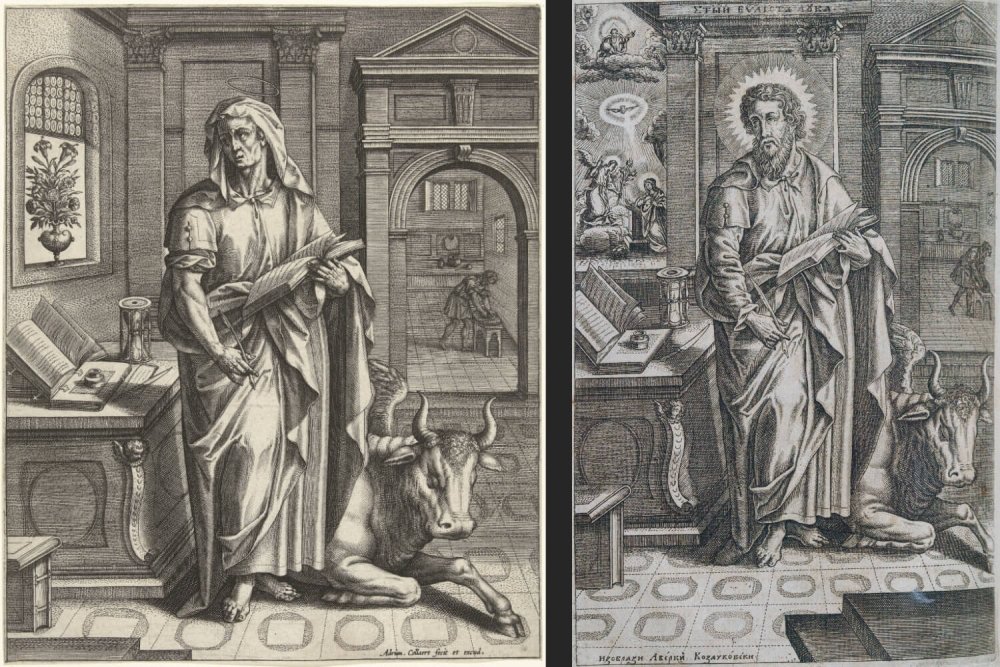
{"id":32,"form_id":2,"category":"category-1","name":"12.jpg","path":"images\/bridges\/12.jpg","url":"https:\/\/bridges.polyuni-frankfurt.de\/images\/bridges\/12.jpg","thumbnail_url":"\/images\/bagallery\/gallery-2\/thumbnail\/category-1\/12.jpg","title":"Die \u00dcberschreitung konfessioneller Grenzen","short":"","alt":"","description":"<h1>Die Überschreitung konfessioneller Grenzen<\/h1>\n\n<hr \/>\n<p>Erstaunlicherweise hielten katholische Bilderwelten Einzug in die orthodoxe Bildsprache. In Antwerpen hergestellte jesuitische Drucke, die ursprünglich für ein katholisches Publikum bestimmt waren, wurden von ukrainisch-orthodoxen Künstlern neu interpretiert.<\/p>\n\n<p>So wurden Gesichter verändert, Bärte hinzugefügt oder entfernt, und Kapuzen verwandelten sich in Heiligenscheine. Eine solche Transformation lässt sich in Averkiy Kozachkovskyis Stich des Heiligen Lukas beobachten: Der Apostel, der einst in die Kapuze eines katholischen Mönchs gehüllt war, erscheint neu als bärtiger orthodoxer Evangelist.<\/p>\n\n<h2><br \/>\n1. Der Heilige Lukas<\/h2>\n\n<p>Adriaen Collaert<\/p>\n\n<p>Kupferstich, 1570–1618<\/p>\n\n<p>23,7 × 19,3 cm<\/p>\n\n<p>Antwerpen – Rijksmuseum, Amsterdam<\/p>\n\n<h2><br \/>\n2. Der Heilige Lukas<\/h2>\n\n<p>Averkiy Kozachkovskyi<\/p>\n\n<p>Kupferstich, im <em>Evangelium<\/em>, 1733<\/p>\n\n<p>25,7 × 17 cm<\/p>\n\n<p>Kyjiw – Stadtmuseum „Geistliche Schätze der Ukraine“, Kyjiw<\/p>\n","link":"","video":"","settings":null,"likes":0,"imageId":"11","target":"blank","lightboxUrl":"crossing-confessional-borders-2","watermark_name":"12.jpg","hideInAll":0,"suffix":"round "}
Die Heilige Barbara
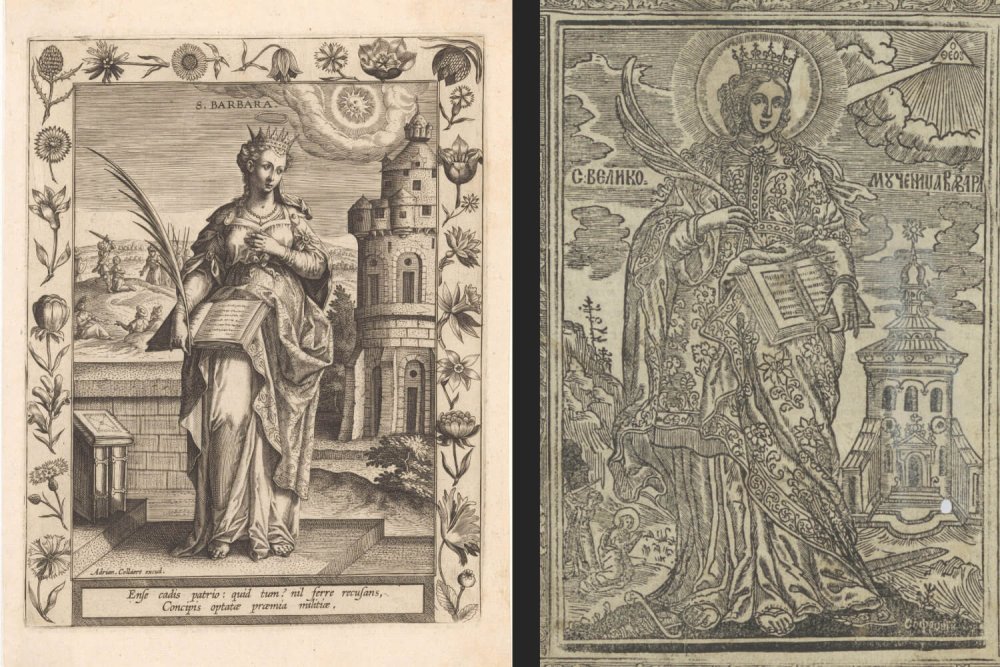
{"id":33,"form_id":2,"category":"category-1","name":"14.jpg","path":"images\/bridges\/14.jpg","url":"https:\/\/bridges.polyuni-frankfurt.de\/images\/bridges\/14.jpg","thumbnail_url":"\/images\/bagallery\/gallery-2\/thumbnail\/category-1\/14.jpg","title":"Die Heilige Barbara","short":"","alt":"","description":"<h1>Die Heilige Barbara<\/h1>\n\n<hr \/>\n<p>Sogar Heilige wie Barbara und Katharina wurden in der „ostchristlichen Bildsprache“ neugestaltet und mit Heiligenscheinen versehen – Zeichen orthodoxer Heiligkeit, die über westliche Formen gelegt wurden.<\/p>\n\n<p> <\/p>\n\n<h2>1. Die Heilige Barbara<\/h2>\n\n<p>Adriaen Collaert<\/p>\n\n<p>Kupferstich, ca. 1590–1610<\/p>\n\n<p>19,6 × 15 cm<\/p>\n\n<p>Antwerpen – Rijksmuseum, Amsterdam<\/p>\n\n<h2><br \/>\n2. Die Heilige Barbara<\/h2>\n\n<p>Sophronius<\/p>\n\n<p>Kupferstich, in <em>Akathistos der Hl. Barbara<\/em>, 1757<\/p>\n\n<p>Kyjiw – Vernadsky-Nationalbibliothek der Ukraine, Kyjiw<\/p>\n","link":"","video":"","settings":null,"likes":0,"imageId":"12","target":"blank","lightboxUrl":"saint-barbara-2","watermark_name":"14.jpg","hideInAll":0,"suffix":"round "}
Die Heilige Katharina
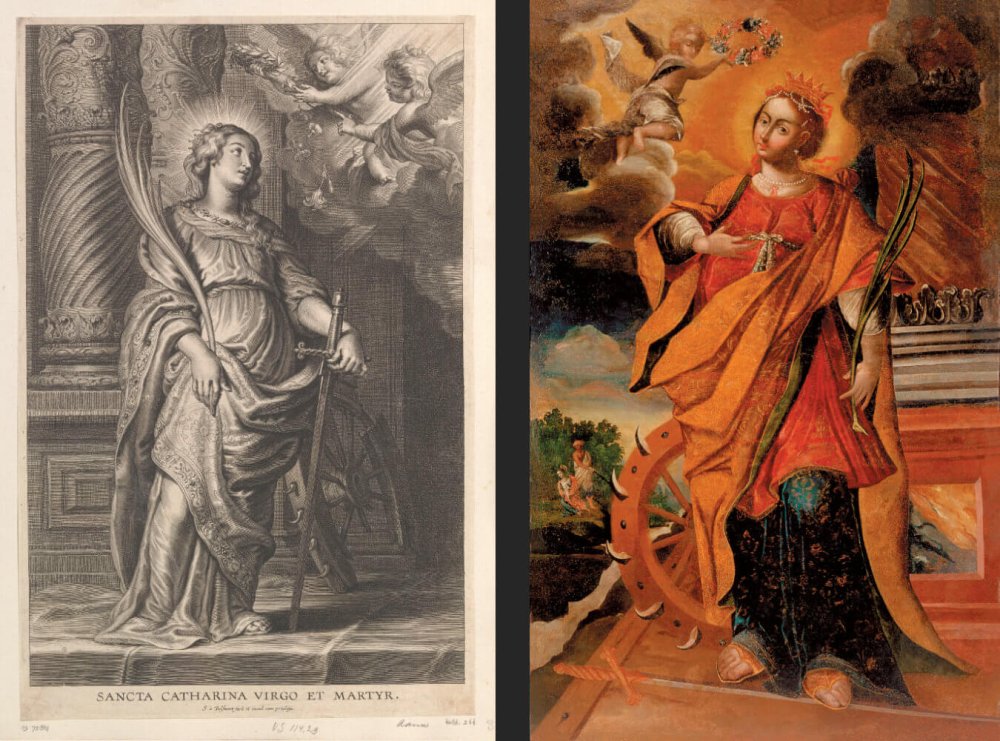
{"id":34,"form_id":2,"category":"category-1","name":"15.jpg","path":"images\/bridges\/15.jpg","url":"https:\/\/bridges.polyuni-frankfurt.de\/images\/bridges\/15.jpg","thumbnail_url":"\/images\/bagallery\/gallery-2\/thumbnail\/category-1\/15.jpg","title":"Die Heilige Katharina","short":"","alt":"","description":"<h2>1. Die Heilige Katharina<\/h2>\n\n<p>Schelte Adamsz. Bolswert, nach Peter Paul Rubens<\/p>\n\n<p>Kupferstich, 1596–1659<\/p>\n\n<p>38,7 × 25,2 cm<\/p>\n\n<p>Antwerpen – Rijksmuseum, Amsterdam<\/p>\n\n<p> <\/p>\n\n<h2>2. Saint Catherine<\/h2>\n\n<p>Unbekannter Künstler<\/p>\n\n<p>Ikone, Öl auf Leinwand, Mitte des 18. Jahrhunderts<\/p>\n\n<p>124,5 × 78 cm<\/p>\n\n<p>Kreuzerhöhungskirche, Kyjiw – Nationales Kunstmuseum der Ukraine, Kyjiw (Wikimedia Commons)<\/p>\n\n<p style=\"text-align:justify; margin-bottom:11px\"><span style=\"font-size:12pt\"><span style=\"line-height:116%\"><span style=\"font-family:Aptos,sans-serif\"><\/span><\/span><\/span><\/p>\n","link":"","video":"","settings":null,"likes":0,"imageId":"13","target":"blank","lightboxUrl":"saint-catherine-2","watermark_name":"15.jpg","hideInAll":0,"suffix":"round "}
Heilige, Geschichten und ukrainische Identität
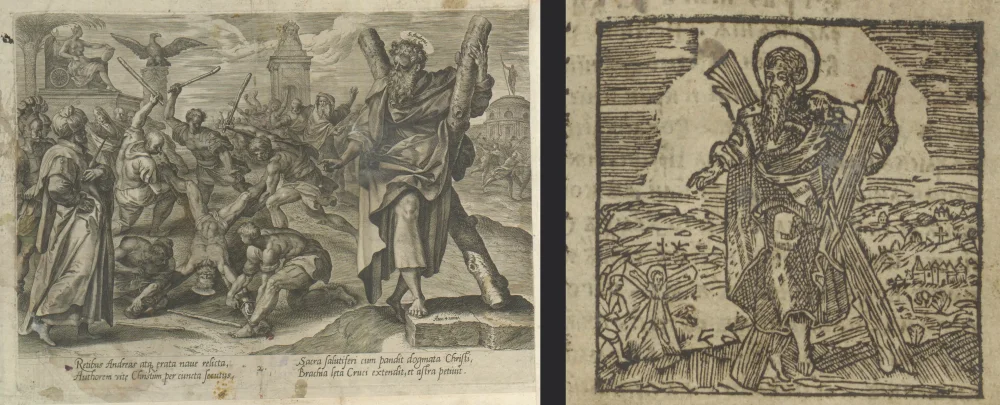
{"id":35,"form_id":2,"category":"category-1","name":"16.webp","path":"images\/bagallery\/original\/16.webp","url":"https:\/\/bridges.polyuni-frankfurt.de\/images\/bagallery\/original\/16.webp","thumbnail_url":"\/images\/bagallery\/gallery-2\/thumbnail\/category-1\/16.webp","title":"Heilige, Geschichten und ukrainische Identit\u00e4t","short":"","alt":"","description":"<h1>Heilige, Geschichten und ukrainische Identität<\/h1>\n\n<hr \/>\n<p>Die Kunst half der Ukraine, ihre eigene Vergangenheit sichtbar zu machen. Im 17. Jahrhundert sahen die Ukrainerinnen und Ukrainer im Erbe der mittelalterlichen Kyjiwer Rus eine Quelle nationaler Identität. Von den meisten Heiligen, die im Mittelalter gelebt hatten, existierten überhaupt keine Abbildungen; auf der Suche nach ihren „Gesichtern“ griffen Künstler oft auf westeuropäische Drucke zurück und adaptierten die Posen und Gesten der Figuren. Beispielsweise wurde der Heilige Andreas – der legendäre Begründer der geistlichen Tradition Kyjiws – in Posen dargestellt, die dem berühmten Kupferstich des Antwerpener Künstlers Hendrick Goltzius (1558-1617) nachempfunden waren.<\/p>\n\n<p>Im 17. und 18. Jahrhundert kursierte in den ukrainischen Landen eine weitverbreitete mittelalterliche Legende, die vom Besuch des Apostels Andreas in Kyjiw und seiner Prophezeiung vom zukünftigen Aufstieg einer Stadt voller Heiligkeit und göttlicher Gnade erzählte.<\/p>\n\n<h2><br \/>\n1. Das Martyrium des Heiligen Andreas<\/h2>\n\n<p>Hendrick Goltzius, nach Maarten de Vos<\/p>\n\n<p>Kupferstich, 1577–1600<\/p>\n\n<p>21,0 × 28,3 cm<\/p>\n\n<p>Antwerpen – Museum Plantin-Moretus (Printroom collection), UNESCO World Heritage, Antwerpen<\/p>\n\n<h2><br \/>\n2. Der Apostel Andreas<\/h2>\n\n<p>Unbekannter Künstler<\/p>\n\n<p>Holzschnitt, in <em>Anfologion<\/em>, 1638<\/p>\n\n<p>Lwiw – Stadtmuseum „Geistliche Schätze der Ukraine“, Kyjiw<\/p>\n","link":"","video":"","settings":null,"likes":0,"imageId":"14","target":"blank","lightboxUrl":"saints-stories-and-ukrainian-identity-2","watermark_name":"16.jpg","hideInAll":0,"suffix":"round "}
Makarios der Ägypter
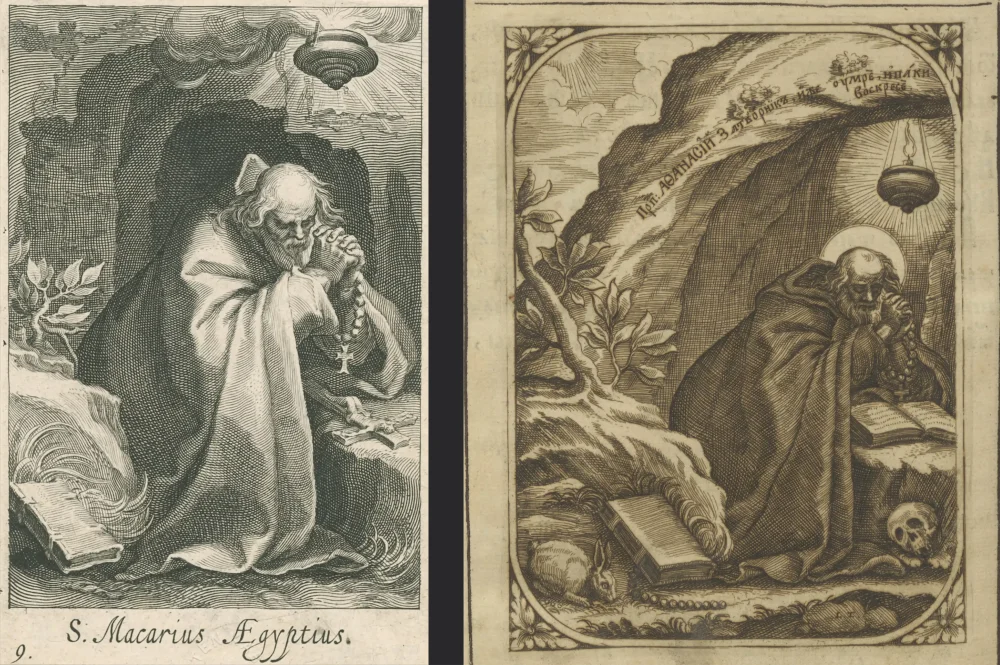
{"id":36,"form_id":2,"category":"category-1","name":"17.webp","path":"images\/bagallery\/original\/17.webp","url":"https:\/\/bridges.polyuni-frankfurt.de\/images\/bagallery\/original\/17.webp","thumbnail_url":"\/images\/bagallery\/gallery-2\/thumbnail\/category-1\/17.webp","title":"Makarios der \u00c4gypter","short":"","alt":"","description":"<h1>Makarios der Ägypter<\/h1>\n\n<hr \/>\n<p>Ukrainische Kupferstecher orientierten sich häufig an Grafiken aus Antwerpen. Leontius Tarasevych (ca. 1650–ca. 1710) griff beispielsweise auf eine Darstellung des Makarios von Ägypten (ca. 300–391) zurück, um ein Bildnis des Ehrwürdigen Athanasius von Kyjiw (gest. ca. 1176) zu entwerfen, der als Einsiedler der Kyjiwer Höhlen gelebt hatte.<\/p>\n\n<p>Diese Entlehnungen halfen den Ukrainerinnen und Ukrainern, der Erinnerung eine greifbare Gestalt zu verleihen und ihren Platz in der langen Folge christlicher Zivilisationen zu bekräftigen.<\/p>\n\n<p> <\/p>\n\n<h2>1. Der Heilige Makarios von Ägypten als Einsiedler<\/h2>\n\n<p>Boëtius Adamsz Bolswert, nach Abraham Bloemaert<\/p>\n\n<p>Kupferstich, 1612–1619<\/p>\n\n<p>14,6 × 9,4 cm<\/p>\n\n<p>Antwerpen – Museum Plantin-Moretus (Printroom collection), UNESCO World Heritage, Antwerpen<\/p>\n\n<h2><br \/>\n2. Der Ehrwürdige Athanasius, der Einsiedler<\/h2>\n\n<p>Leontius Tarasevych<\/p>\n\n<p>Kupferstich aus dem <em>Paterikon des Kyjiwer Höhlenklosters<\/em>, 1702<br \/>\nKyjiw – Wernadskyj-Nationalbibliothek der Ukraine, Kyjiw<\/p>\n","link":"","video":"","settings":null,"likes":0,"imageId":"15","target":"blank","lightboxUrl":"macarius-of-egypt-2","watermark_name":"17.jpg","hideInAll":0,"suffix":"round "}
Klösterliche Stammbäume und heilige Bäume
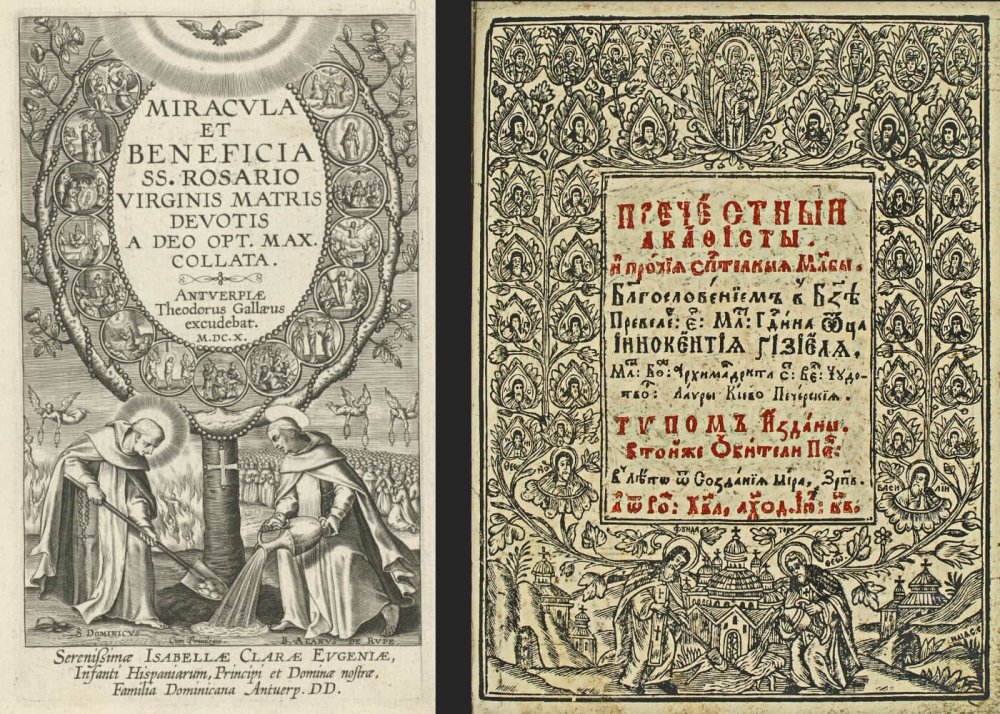
{"id":37,"form_id":2,"category":"category-1","name":"18.jpg","path":"images\/bridges\/18.jpg","url":"https:\/\/bridges.polyuni-frankfurt.de\/images\/bridges\/18.jpg","thumbnail_url":"\/images\/bagallery\/gallery-2\/thumbnail\/category-1\/18.jpg","title":"Kl\u00f6sterliche Stammb\u00e4ume und heilige B\u00e4ume","short":"","alt":"","description":"<h1>Klösterliche Stammbäume und heilige Bäume<\/h1>\n\n<hr \/>\n<p>Neben anderen europäischen Traditionen übernahmen Ukrainerinnen und Ukrainer auch das Führen von Stammbäumen – sowohl im weltlichen als auch im geistlichen Bereich. Im berühmten Kyjiwer Höhlenkloster schufen Künstler wie Elijah baumartige Anordnungen von Heiligen, deren Wurzeln Klostergründer wie Antonius und Theodosius darstellen.<\/p>\n\n<p>Und ihr Vorbild? Ein dominikanischer Druck von Theodoor Galle (1571-1633) aus Antwerpen. Die Bildsprache, der Stil und die Struktur zeigen, dass selbst die vermeintlich „ukrainischsten“ Kunstwerke Teil eines <strong>transkulturellen Stammbaums<\/strong> sind.<\/p>\n\n<h2><br \/>\n1. Titelblatt für <em>Miracula et Beneficia SS. Rosario<\/em><\/h2>\n\n<p>Theodoor Galle<br \/>\nKupferstich, 1610<\/p>\n\n<p>15,5 × 9,2 cm<br \/>\nAntwerpen – Rijksmuseum, Amsterdam<\/p>\n\n<h2><br \/>\n2. Der Baum der Heiligkeit von Kyjiwer-Petschersk<\/h2>\n\n<p>Mönch Elijah<\/p>\n\n<p>Holzschnitt, aus dem Titelblatt eines <em>Akathistos<\/em>, 1674<\/p>\n\n<p>17,3 × 13,1 cm<\/p>\n\n<p>Kyjiw – Wernadskyj-Nationalbibliothek der Ukraine, Kyjiw<\/p>\n","link":"","video":"","settings":null,"likes":0,"imageId":"16","target":"blank","lightboxUrl":"monastic-genealogies-and-sacred-trees-2","watermark_name":"18.jpg","hideInAll":0,"suffix":"round "}
Final Thoughts
{"id":38,"form_id":2,"category":"category-1","name":"bridgesfazitde.png","path":"images\/bagallery\/original\/bridgesfazitde.png","url":"https:\/\/bridges.polyuni-frankfurt.de\/images\/bagallery\/original\/bridgesfazitde.png","thumbnail_url":"\/images\/bagallery\/gallery-2\/thumbnail\/category-1\/bridgesfazitde.png","title":"Final Thoughts","short":"","alt":"","description":"<h1>Impressum<\/h1>\n\n<p> <\/p>\n\n<h2>Kurator und Autor<\/h2>\n\n<p>Vitalii Tkachuk (Goethe-Universität Frankfurt am Main)<\/p>\n\n<p> <\/p>\n\n<h2>Projektpartner<\/h2>\n\n<p>DFG-Kolleg-Forschungsgruppe „Polyzentrik und Pluralität vormoderner Christentümer“, Goethe-Universität Frankfurt am Main<\/p>\n\n<p>Museum Plantin-Moretus, Antwerpen<\/p>\n\n<p>Stadtmuseum Geistige Schätze der Ukraine, Kyjiw<\/p>\n\n<p> <\/p>\n\n<h2>Englische Fassung<\/h2>\n\n<p>Stilistische und redaktionelle Unterstützung — Laurence Taylor (Warschau)<\/p>\n\n<p>Zusätzliche Unterstützung der englischen Sprache durch KI-Tools (ChatGPT)<\/p>\n\n<p> <\/p>\n\n<h2>Förderung<\/h2>\n\n<p>Deutsche Forschungsgemeinschaft (DFG)<\/p>\n\n<p> <\/p>\n\n<h2>Übersetzungen<\/h2>\n\n<p>Ukrainisch — Vitalii und Nadiia Tkachuk<\/p>\n\n<p>Deutsch — Boris Azab und Kevin Klein (Goethe-Universität Frankfurt am Main)<\/p>\n\n<p>Flämisch — Bruno Boute (Goethe-Universität Frankfurt am Main)<\/p>\n\n<p> <\/p>\n\n<h2>Danksagung<\/h2>\n\n<p>Michael Leemann (Goethe-Universität Frankfurt am Main)<\/p>\n\n<p>Kris Geysen und Virginie D’haene (Museum Plantin-Moretus, Antwerpen)<\/p>\n\n<p>Daria Dobriian (Stadtmuseum Geistige Schätze der Ukraine, Kyjiw)<\/p>\n\n<p> <\/p>\n\n<h2>Web- und technische Unterstützung<\/h2>\n\n<p>Webagentur Frankfurt<\/p>\n\n<p> <\/p>\n\n<h2>Abbildungen<\/h2>\n\n<p>Alle Abbildungen wurden mit Genehmigung reproduziert oder unter Open-Access- bzw. Public-Domain-Lizenzen verwendet.<\/p>\n","link":"","video":"","settings":null,"likes":0,"imageId":"17","target":"blank","lightboxUrl":"final-thoughts-2","watermark_name":"19a.jpg","hideInAll":0,"suffix":"round "}